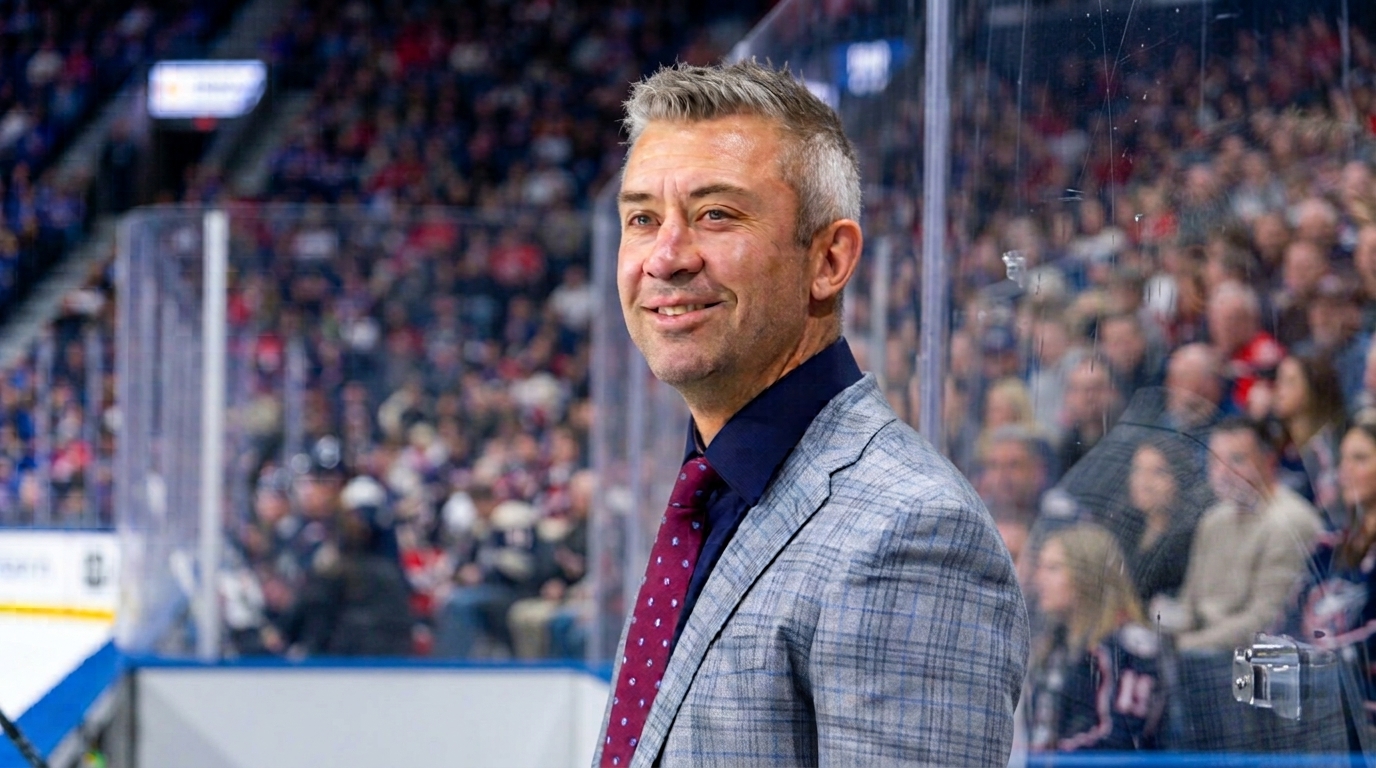
Josh Gorges on Rockets bench (Image Credit: Steve Dunsmoor)
Confidence under pressure

‘Don’t play scared’ – Rockets AC Josh Gorges

Oct 23, 2026 | 6:00 AM

A young defenceman can sit on the bench for eight minutes, finally get his opportunity, make one mistake and wonder when he will play again.

For Kelowna Rockets assistant coach Josh Gorges, that is the reality young players must learn to handle in the Western Hockey League. But the former NHL defenceman believes the challenge goes well beyond the rink. Today’s players face a constant stream of outside opinions, distractions, and expectations that can make it hard to trust themselves as the pressure rises.

“It’s not easy in games when you haven’t played for a 6, 7, or 8-minute stretch and then all of a sudden you’ve got to go out there and, you know, if you have a tough shift in that moment, that could be your last shift,” Gorges said.

“It’s a lot of learning in your first year.”

Gorges knows the transition can be difficult. A player who was once relied upon in every situation can suddenly find himself at the bottom of the depth chart, trying to prove he belongs.

“Usually when you’re coming from being a 15-year-old, wherever you were playing last year, you were probably the top guy on your team, relied upon in all situations, playing against the best players, power play, penalty kill, everything, to coming into, well, now you’re at the bottom of the totem pole.”

The challenge is learning to be patient without losing confidence. For younger players who aren’t getting regular shifts, Gorges believes practice becomes an opportunity to establish themselves.

“Practice for a young guy that maybe doesn’t get a ton of ice time is their game time. This is where they need to perform. This is where they need to push the limits of what they do so they can build up the confidence so that when you do get into the games, you’re good no matter what the situation is.

“When you’re called upon, you’re ready to go.”

But the pressures facing today’s players don’t stop when they leave the rink.

Gorges played in an era when there were fewer distractions competing for a player’s attention. Now, social media can provide an immediate audience for both success and failure, making it harder for young athletes to separate useful feedback from the noise.

“Social media, you’re constantly under the microscope, and if you don’t know how to manage that and you want to keep looking at how many likes you get or how many positive comments, people tell you how great you are, you’re also going to hear everybody tell you how crappy you are in a lot of situations.”

He remembers a simpler time.

“We had the luxury of not having to deal with any of that stuff. I mean, back when I played, I hate saying that, it makes me feel old, but none of us even had cell phones, you know, so like when you left the rink, you had each other, and that was how we did things.”

Gorges believes the changes in technology have affected another important part of the game: communication between teammates.

He noticed younger players becoming less vocal on the ice and on the bench even while he was still playing. He suspects the habit of communicating through phones has contributed to a generation less comfortable expressing itself face to face.

“We spend so much time texting each other our thoughts. We’re not really good at looking somebody in the eye and having a conversation and being able to verbalize our thoughts.”

It’s an observation that extends beyond hockey.

“You’ll notice if you talk to a lot of young people today, not just hockey players, I just mean in general, their eyes usually go down. They’re a little bit uncertain of what they want to say and how they want to do it.

“It’s the confidence to be able to stand with somebody and look them in the eyes and have a conversation.”

For a defenceman, that confidence matters. Players must communicate with their teammates, recognize developing plays and make decisions quickly. Hesitation can turn a manageable situation into a dangerous one.

Gorges has taken on a more immediate role in helping the Rockets navigate those situations this season, joining the coaching staff on the bench for home games. Now in his second year with the team, he works largely with the defencemen and penalty kill, looking for opposing tendencies and offering reminders as the game unfolds.

“You don’t get into too much of the detail habit stuff because it just happens so quickly,” he said. “There might be a few moments of reminders and things like that, but it’s predominantly like, ‘OK, we’re starting to notice their team’s doing this. We have to adjust to it, however that is.’”

His ability to deliver those messages depends on the relationships he has built with the players.

Gorges believes effective coaching begins with trust, something he remembers from his own playing career. A player is more likely to accept criticism when he understands the coach has his best interests at heart.

“If I do need to come and give a kick in the ass, they know it’s coming from a place of caring and not from a place of anger or anything else.”

That trust is particularly important when mistakes are inevitable. Gorges believes young defencemen face a steeper learning curve than young forwards because the consequences of an error can be immediate.

“When you’re a young forward, typically you’re out there to create some offence and try and score goals. When you make a mistake, well, you’ve got two other forwards, you hopefully have a high guy, you’ve got two D-men and a goalie behind you.

“When you’re a D-man, and you make a mistake, you’re usually giving up a breakaway or a two-on-one, and those are tough to overcome.”

The danger is letting the fear of another mistake dictate the next decision. Gorges wants young defencemen to understand that the game hasn’t changed simply because they’re playing at a higher level. Their mindset is what needs to adjust.

“Whether you come from major midget or academy or wherever you were playing previous to here, the game itself doesn’t change. Only what we think about does.”

For Gorges, the message to young players is straightforward. Mistakes will happen. Confidence comes from learning to deal with them, not from believing they can avoid them altogether.

“Live with it. Learn from it. Don’t play scared.”

Comments

Leave a Reply