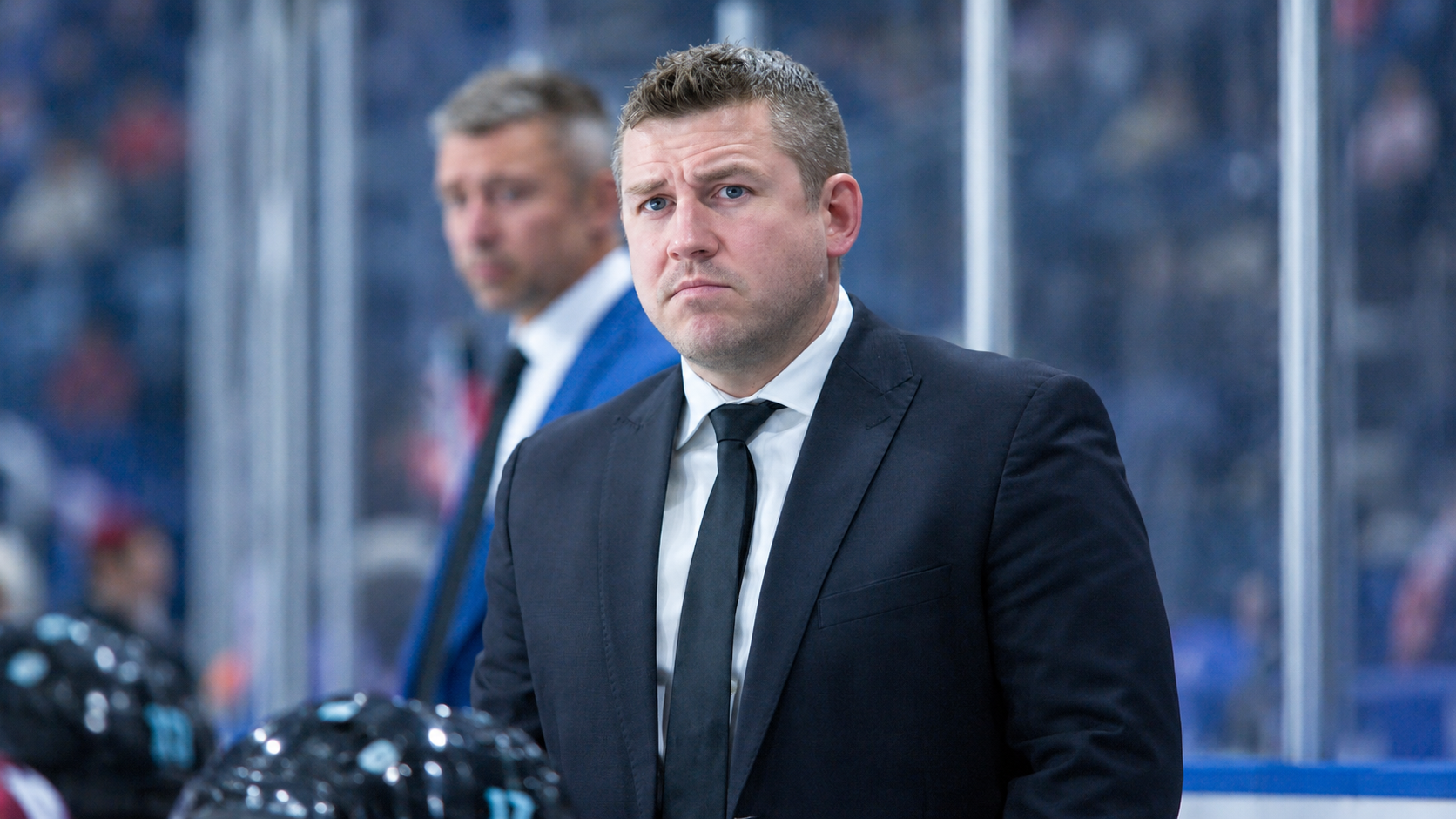
Derrick Martin on Kelowna Rockets bench (Image Credit: Steve Dunsmoor)
Penalty trouble

Guilty as charged

Oct 27, 2026 | 6:00 AM

Reputations are easier to earn than they are to lose.

The Kelowna Rockets are discovering that the hard way. Just 12 games into the Western Hockey League season, they have become one of the league’s most penalized teams, ranking fourth in penalties taken.

Diving deeper, outside of Swift Current and Red Deer, no WHL team has been shorthanded more.

The question is how long it will take the Rockets to change the narrative.

For Derrick Martin, the issue goes well beyond the number of times his players are sent to the penalty box. It is about maturity, emotional control and the collective responsibility that comes with being part of a team. It is also about understanding that one player’s reaction can create problems for everyone wearing the same jersey.

Guilty by association.

The Rockets had to kill off 13 penalties in two games in Victoria over the weekend, putting their discipline under the spotlight. For Martin, the issue is bigger than any individual infraction. It is about a pattern that has developed and a team that needs to find a way to break it.

“The storyline has been penalties, and ultimately that rests on my shoulders, not the players’ shoulders,” Martin told RocketFAN. “We’ve got to find new ways to police that.”

Martin wasn’t interested in making excuses or pointing fingers. Instead, he challenged himself and his players to recognize what was happening and make the necessary changes.

“We’ve got to grow up. We’ve got to fix that. We’ve got to get that out of our game. We’ve got to rebrand our reputation.”

That last point may be the most significant.

The team was shorthanded 13 times in two games this past weekend in Victoria. The penalty killing unit only surrendered three power-play goals against, but it takes extra energy, and often steals momentum away when you are making trips to the penalty box.

Martin believes the Rockets have already established a reputation, and he understands that reversing it won’t happen overnight.

“You earn that reputation, and it took 12 games to earn it, and it’s gonna take 12 games to get rid of that.”

There is a fine distinction between sticking up for a teammate and allowing an opponent to manipulate the situation.

“This group, they have each other’s backs, they love each other, they care for each other, but you’ve got to find a happy medium.”

The problem, Martin says, is that opponents can recognize when a team is vulnerable to emotional reactions and use that knowledge to their advantage.

“You can’t lose your mind every time somebody grabs one of your guys. That then becomes a tactic of your opponent and something that they know will get you into trouble.”

Players want to compete hard, defend their teammates and establish themselves as difficult opponents. It also happens when you are not only the tallest team in the WHL, but also the heaviest.

Those qualities are valuable, but they lose their value when a reaction takes a player out of the game and forces his teammates to compensate.

The penalty box becomes a lonely place for the player serving the time. The consequences, however, are shared by everyone.

Martin says the Rockets have taken too many penalties that have little to do with playing a physical brand of hockey. Tripping, roughing after the whistle, slashing a goaltender, and a slew-foot incident are among the examples he identified.

“We’re taking a lot of non-physical penalties.”

For Martin, the distinction is important. He doesn’t want the Rockets to lose their edge or become hesitant about playing a hard game. He wants them to understand the difference between competing aggressively and giving the opposition an unnecessary advantage.

The objective is to play hard from the opening faceoff until the final whistle, then move on from whatever happened during the game.

The coach also recognizes that simply telling players to behave differently won’t solve the problem. Accountability has to be built into the team’s daily routine.

“Hold everybody accountable, hold everybody to a standard.”

There is another reason to take the problem seriously. Penalties don’t simply affect a game in isolation. They can influence the standings, too.

“We’ve given up points because of it. I think we’ve given up four points now through the first 12 games, and those become really big points when you look at the end of the year.”

Kelowna has earned points in games that have gone beyond regulation, but Martin wants the team to recognize both sides of that equation: the points gained by reaching overtime and the points potentially lost because of undisciplined play.

“You want to be a playoff team. You wanna be a good hockey team in this league. Playing on the penalty kill isn’t a great way to do that.”

Martin is not suggesting the problem will disappear with a single practice or one penalty-free performance. He knows that changing habits requires repetition, honesty and a willingness to accept responsibility when things go wrong.

He is also refusing to separate himself from the problem.

“My fault, but we’ll get that fixed.”

As Martin sees it, that is part of growing into the team Kelowna hopes to become.

The fourth-place ranking is a warning, not a permanent label. But the longer the penalties continue, the harder it becomes to dismiss them as an early-season problem.

The Rockets have earned a reputation. Now they must earn their way out of it, one decision at a time.

“Our Achilles’ heel right now is our discipline, and we’re aware of it. The league’s aware of it. We’ve got to fix it.”

Comments

Leave a Reply